Environmental quality is a major concern for Western companies, including Israeli companies. Studies conducted over the years, as well as more recent research, show a direct link between human activities and their impact on air, water, and the environment in general. Industrial production processes, pollution from car engines, untreated wastewater discharged into the sea, landfill of polluting waste, and many other factors contribute to ongoing environmental damage. These activities affect the Earth’s climate and contribute to global warming.
To minimize these damages, successive Israeli governments have enacted laws requiring various polluters to comply with standards. In doing so, Israel aligns itself with international regulations and directly contributes to protecting the health of its citizens, industrial workers, and residents living both near and far from polluting sites.
Regulations of the Ministry of Environmental Protection
The Ministry of Environmental Protection is responsible for issuing various regulations, including emission standards for industry, vehicles, electricity production, waste incineration, and more. Among these, industrial emission regulations are of particular importance due to the wide variety of polluting industries.
Several main types of polluting industrial facilities can be identified: energy plants, petrochemical industries, chemical industries, mineral industries (quarries), metal production and processing industries, and other industrial activities (such as food factories, laundries, dry cleaning, waste treatment, and auto repair shops).
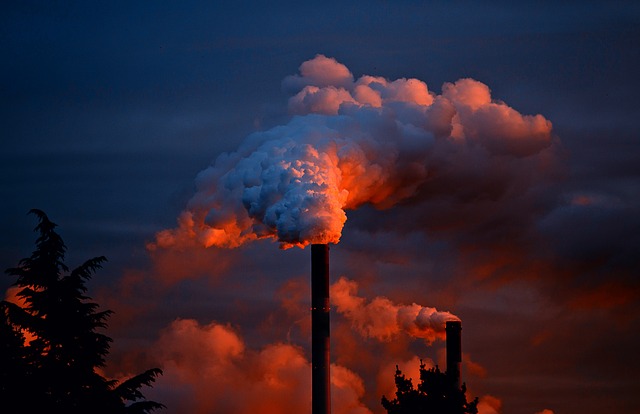
Industrial emissions result from fuel combustion of various types or from production processes that are not combustion-based but still release pollutants. Emissions can be either point-source, channeled through pipes such as chimneys, or diffuse, resulting from direct contact between dust particles or volatile substances and the environment.
Compliance with Standards
he regulations establish emission standards for particulate matter, excluding particulate matter generated from fuel combustion, for factories that process raw materials. These regulations take into account various parameters, including the concentration of fine particles that can enter the respiratory system, the amount and concentration of smoke emitted from chimneys, unreasonable odors from polluting sources, the concentration of gases and volatile substances, and more.
The regulations are based on international standards and conventions, such as the Vienna Convention and the Kyiv Protocol, which established international agreements supporting the reduction of air pollution worldwide. Industrial facilities are legally required to comply with these emission standards and may face fines for any violations.
Air Ventilation and Purification Equipment
Industrial facilities can utilize equipment and machinery provided by specialized companies in the field. Available systems include industrial dust suction and filtration units with automatic cleaning, scrubbers for absorption and neutralization of gases, chemical vapors, and odors, electrostatic filters for oil vapors, smoke, and air purification, central or standalone dust extraction systems, carbon filters for solvents, gases, and odors, catalytic oxidizers for solvents, blowers, compressors, air filters, suction booths, and more.
By using these systems, factories can maintain a clean and healthy work environment that protects employees from unnecessary illness and reduces absenteeism. This benefits both employees and facility managers. Protecting the environment is essential, and compliance with emission standards is the most effective way to achieve it.