Western societies consume a growing variety of products, and this increase in consumption stems from several factors.
The higher consumption results from population growth, modernization processes that drive demand for increasingly sophisticated products, and advanced production methods characterized by, among other things, innovative production lines and processes. The goal is to produce with minimal cost and maximum output.
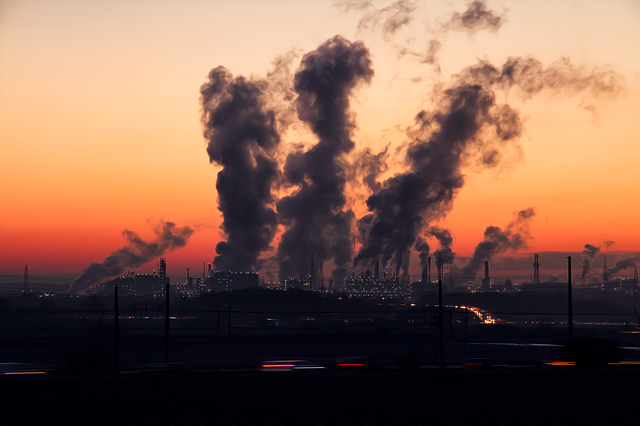
Because of these factors and others, many production processes are often accompanied by air pollution in the workplace. This pollution can harm production workers, visitors, and the environment surrounding the manufacturing facilities. Several types of pollution are particularly prominent, creating an urgent and immediate need for effective monitoring and control. Exposure to pollutants can affect individuals at varying levels, and in extreme cases may cause serious illnesses, including cancer, or lead to irreversible damage.
Here are the commonly used industrial air filtration and purification methods:
Activated carbon filtration - Activated carbon is a type of material made from wood, animal bones, peat, coconut shells, and more. It has a large surface area that adsorbs organic compounds passing through it. Such compounds are found in the pharmaceutical, cosmetics, paint, metal, printing, and adhesives industries, among others. Filtration systems containing activated carbon are commonly used in production halls and rooms in these factories.
Welding smoke - Smoke produced during welding is hazardous due to the fine particles generated by the high heat characteristic of welding operations. As the particles condense and cool, they become dangerous to the human respiratory system. They may contain metal oxides, silica, aluminum, as well as decomposition products of paint, solvents, and oils. Over time, these substances can cause cumulative damage to various body systems, tissues, and bones. It is common to install localized ventilation and air extraction systems near welding machines to remove hazardous smoke from the immediate vicinity of workers.
Mineral dust - This mainly refers to dust from asbestos or silica, both of which are hazardous to the respiratory system. They contain fine particles that can bypass the body’s natural defenses and penetrate the lungs, potentially causing severe or even carcinogenic diseases. Removal of these dusts is carried out using advanced cartridge filters.
Volatile organic compounds (VOCs) - VOCs are produced in the manufacturing of paints, microelectronics, textiles, coatings, and laboratories. These sites involve exposure to solvents, oils, resins, rubber, and plastics that contain these compounds in significant amounts. VOCs have high vapor pressure at room temperature. Not all VOCs are toxic, but toxic compounds must be removed from the work environment. There are various solutions depending on the activity, process type, and industry, including thermal and catalytic oxidizers, scrubbers, conventional carbon units, and biological reactors. Specialists determine the appropriate treatment for each case.
In Israel, the Clean Air Law establishes regulations for maintaining clean air, and all of the above solutions operate in accordance with these regulations. The goal is to create the cleanest possible air environment in the workplace.